855 results
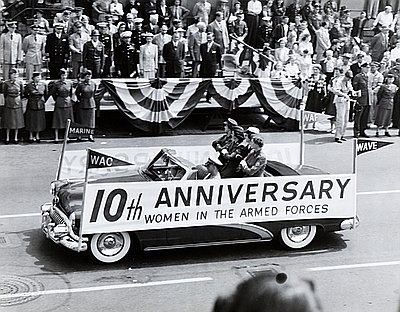
10th Anniversary of Women in the Armed Forces
This photograph, likely taken in May 1952 during the third annual Armed Forces Day parade in Portland, depicts a Buick convertible decorated to commemorate the …
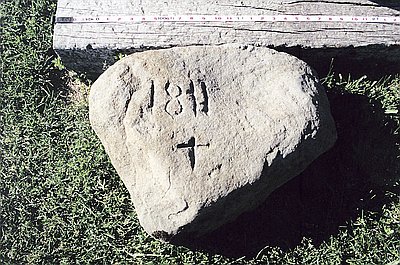
1811 Trailmarker
Sometime around the summer of 1944, ten-year-old Douglas Owen found the 120-pound basalt rock shown above near the town of Bates, located about thirty miles …
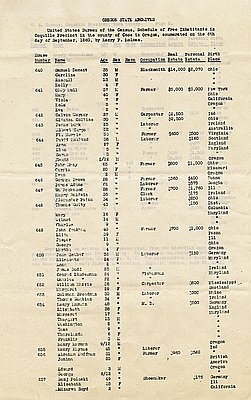
1860 Census, Coos County
This document is a typewritten transcript of the 1860 Schedule of Free Inhabitants in Coos County’s Coquille Precinct. It was transcribed from a microfilm copy …
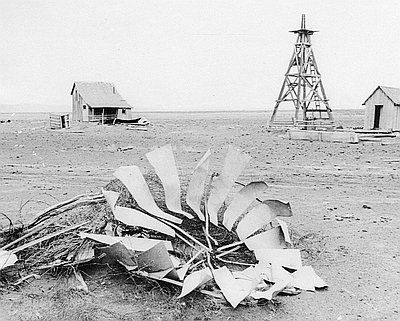
Abandoned Ranch, Christmas Valley, 1963
This photograph was taken in April 1963 by Oregon Journal photographer Al Monner. It shows an abandoned ranch in southeastern Oregon’s Christmas Valley. During the …
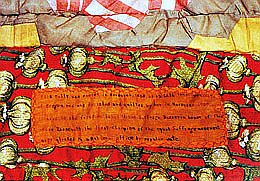
Abigail Scott Duniway's Quilt
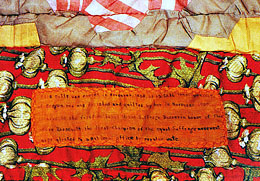
Written by Michael N. McGregor The colors clash. The fabrics jar. The garish designs are dizzying hexagons of mismatched stripes and solids, all placed awkwardly inside …
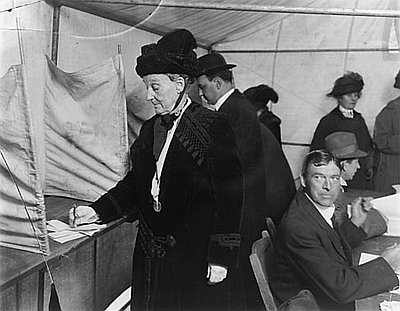
Abigail Scott Duniway votes
Abigail Scott Duniway, sister of Daily Oregonian editor Harvey Scott, was a novelist, newspaper publisher, teacher, pioneer, milliner, and suffragist. An overland pioneer …
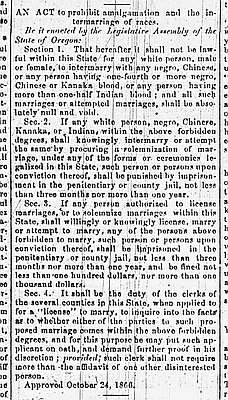
Act to Prohibit the Intermarriage of Races, 1866
The Oregonian clipping featured here presented the language of a new Oregon law approved by the Legislature on October 24, 1866. It banned miscegenation—marriage between …
!["Admission of Collored [sic] Children to the Public School"](http://www.oregonhistoryproject.org/media/uploads/thumbnails_medium/Admission-of-Collored-Children-to-Public-Schools-c1890-FSDM.jpg)
"Admission of Collored [sic] Children to the Public School"
Thomas Alexander Wood (1837-1904) was a white Oregon pioneer, a veteran of the Indian wars, and a Methodist clergyman. In these reminiscences he recalled the …
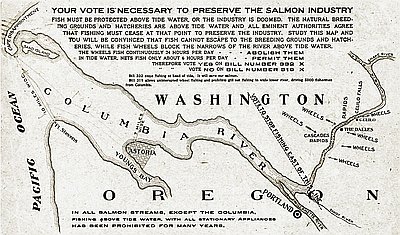
Advertisements, Salmon Fishery Initiatives, 1908
These two advertisements were published in the spring of 1908. The first document, titled “Your Vote is Necessary to Preserve the Salmon Industry,” represents the …
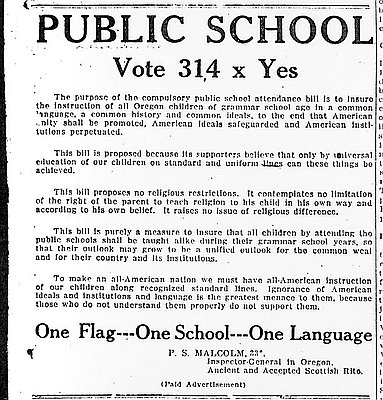
Advertisement, Vote 314x Yes
This paid advertisement in support of the Oregon Compulsory Education Bill appeared in many newspapers across the state in the weeks prior to the 1922 …
Interpretive Essays
Interpretive essays use primary documents from the Oregon Historical Society archives to help readers imagine the events, people, and issues that shaped Oregon history.